Truth be told, when it comes to figuring out what’s dangerous while globetrotting, most of us have the risk perception of a toddler watching a horror movie. We zoom in on the flashy headlines—terror attacks, kidnappings, or some wild scam—while totally missing the mundane stuff that’s actually the real menace. It’s not just you; it’s a classic mental trick called the availability heuristic.
Availability Heuristic Explained: What Your Brain is Up To
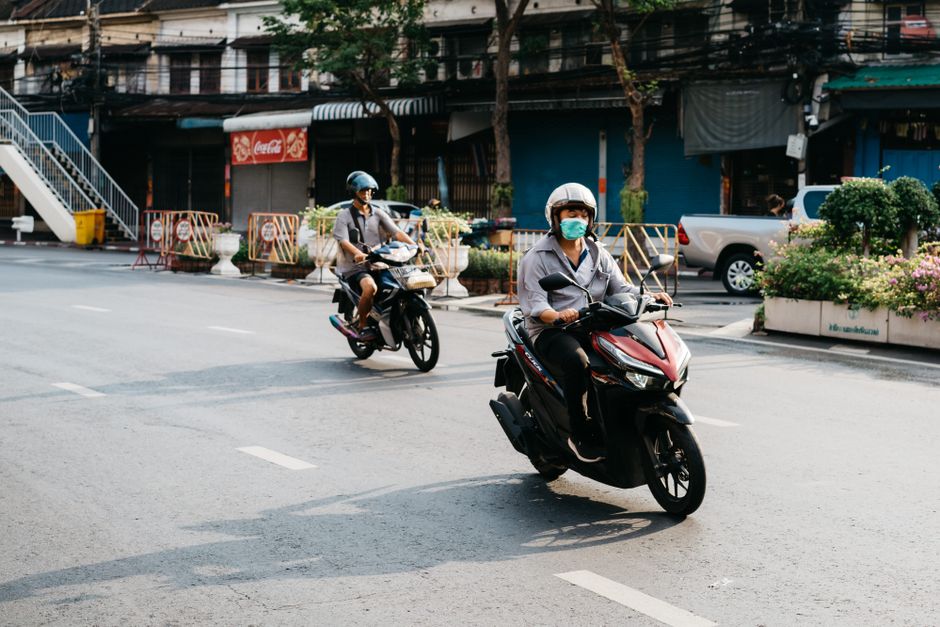
Ever notice how your gut jumps to conclusions based on what’s freshest in your memory? That’s the availability heuristic in action. It’s the brain’s lazy shortcut: if you can recall something easily—like a news story about terrorism in Colombia—it feels way more likely to happen than, say, a scooter crash in Vietnam, even if statistically, the latter is far deadlier.
This mental glitch is why so many travellers fret about relatively rare events while ignoring common risks. Ask yourself this: when was the last time you bookmarked a blog about road traffic safety in Southeast Asia? Probably never. But you know more about the latest protests, terrorist plots, or viral scams.
Travel Fear Bias: The Irrational Focus on Terrorism and Crime
To put it bluntly, the fear of terrorism, kidnappings, or political unrest is hugely overblown for the average traveller. Sure, no one wants to be caught in a mess, but the statistics say otherwise. For example:
- The odds of being directly targeted by terrorism on a trip are microscopic compared to other dangers. Kidnapping fears get blown out of proportion largely due to media sensationalism. Insurance companies like HeyMondo travel insurance and SafetyWing digital nomad insurance take these risks seriously but base their premiums on actual data, not hysteria.
You know what's funny? Countries that get tarred with "dangerous" labels often have far lower rates of road accidents than the average. But travellers still fret over armed conflict instead of grasping that their real killer is more likely to be the wheel of a shoddy tuk-tuk.
Road Traffic Accidents: The Real Killers Most Backpackers Ignore
Without sugarcoating it, road traffic accidents are the single biggest threat to travellers worldwide. According to the World Health Organization, road traffic crashes rank near the top of causes of injury-related deaths globally. And no surprise, many take place in Go to this site “exotic” destinations where road rules either don’t exist or are suggestions at best.
Since you’re probably reading this instead of booking a one-way ticket to the Arctic, here’s some cold hard truth from my travels: I’ve seen more hospital trips caused by zipping along in a sketchy minibus in Laos or a rented scooter in Vietnam than anything remotely related to drugs, kidnappings, or terrorism combined.
Cause of Travel Injury Relative Risk Level Road Traffic Accidents High (Leading cause) Drowning Moderate Alcohol-related Accidents Significant Terrorism LowDrowning and Alcohol-Related Accidents: The Sneaky Threats Nobody Talks About
Pull up a chair and listen closely. It’s not just scooters and buses that get you. Drowning and alcohol-related accidents are silent killers during holidays. I remember a trip to the Greek islands where five tourists ended up in hospital because they underestimated the sea or got way too merry without matching it with some caution.
Most travel advice glosses over the fact that alcohol impairs judgment on unfamiliar roads or near water. Even a casual pint or two before renting gear or getting behind a wheel can be a fatal misstep. If you want to travel smarter, a good place to start is knowing your limits and booking https://highstylife.com/are-the-countries-people-warn-you-about-actually-dangerous/ travel insurance that covers these typical mishaps.
Remember HeyMondo travel insurance? Beyond covering terrorism-related incidents, it’s tailored to protect you in risk areas we tend to overlook—like drowning or riding a dodgy scooter after a couple of drinks. Same goes for SafetyWing digital nomad insurance, which some of my own tour groups swear by during those “off the beaten path” ventures.
Altitude Sickness and Rushed Itineraries: Another Place We Mess Up Our Risk Perception
If you think risks are only about attacks or accidents, think again. Altitude sickness is a legit threat for anyone trying to cram Everest Base Camp or those Andean spits in a rushed itinerary. Believe me, rushing leads to mistakes, which leads to trouble.
One of my tour groups got a dose of reality climbing in Nepal—six people fell ill because they ignored acclimatisation due to “wanting to get it over with.” That’s a textbook misjudged travel fear: focusing on the big, scary news story about a freak snowstorm while ignoring the sneaky physical risks right at their feet.
Putting It All Together: How to Avoid Falling for the Availability Heuristic Trap
Gather solid info, not just headlines. Use official statistics and trusted resources rather than viral panic stories to judge risk. Know the real numbers. Road accidents claim far more travellers than terrorism. Plan travel safety accordingly. Invest in the right travel insurance. Companies like HeyMondo and SafetyWing offer coverage focused on genuine travel risks, not just hyped-up disasters. Be realistic about behaviours. Don’t drink and ride, respect acclimatisation schedules, and don’t ignore local warning signs. Ignore the temptation to sugarcoat. Travel isn’t a risk-free Instagram fantasy. Prepare for what actually happens on the road.Pro tip: Before you go and splurge on that $699 blog setup fee to document your trip, spend five minutes learning about real travel risks instead of recycling fear-mongering cliché tourist advice. Your audience—and your liver—will thank you later.
Which Means What for You?
Next time you fret about flying into a “danger zone” or obsess over dodgy news updates, pause and ask: “Am I falling victim to the availability heuristic?” Ask yourself if your fear matches reality or just the last viral headline that got stuck in your head. That’s the difference between travelling smarter or just breathing through your fears.
For the record, my wife and I roll with HeyMondo travel insurance for most trips and keep SafetyWing’s digital nomad insurance in our back pockets when running tours. When you’re leading groups to places like Turkmenistan, Papua New Guinea, or Everest, you quickly learn how to spot real danger versus the overblown travel fear bias everyone else has.
Stop letting your brain’s shortcuts decide what scares you. Travel involves risk, absolutely, but using the availability heuristic to figure out where that risk really lies is like using a leaky canoe to cross the Atlantic—pointless and risky in ways you didn’t expect.
In Summary: Travel Fear, Availability Heuristic, and Risk Perception Psychology
- The availability heuristic makes us overestimate rare, dramatic travel risks and underestimate common, mundane dangers. Travel fear bias fuels this distortion, leading to misplaced anxiety around terrorism, kidnappings, and crime. Road traffic accidents, drowning, and alcohol-related incidents cause way more traveller injuries and deaths than terrorism. Altitude sickness and rushing itineraries are overlooked but critical risks for adventurous travellers. Smart travellers counter this by grounding decisions in data, investing in solid travel insurance like HeyMondo and SafetyWing, and recognising their own biases.
So next time your mate WhatsApps you about a terror alert, and you’re halfway through reading it while stewing in your fear, remember: your real enemies are the dodgy roads and rushed plans, not the headlines. Travel smarter; don’t travel scared.
