Hi there! If you’re reading this, you’re likely standing on your porch, eyeing a half-finished papery nest tucked into a corner, and wondering why on earth these wasps keep coming back despite you knocking the nest down three times this month. I’m an office manager for a pest control outfit here in Connecticut, and I’ve taken this exact phone call about four thousand times.
Before we dive into the "how-to," I have to ask: Where exactly are you seeing the traffic? Are they crawling in and out of a crack in the siding, or are they hanging out in the rafters of the porch ceiling? It matters, I promise. Pricing and treatment plans change drastically depending on whether I’m chasing a surface nest or something living inside your wall.
And for the love of everything, please stop calling them "bees." Paper wasps aren't honeybees, and treating them like they are—or worse, trying to DIY spray them without knowing where the nest actually ends—is the fastest way to get stung. Let’s get into the nitty-gritty of paper wasp control so you can reclaim your porch.
Stinging Insect Identification 101
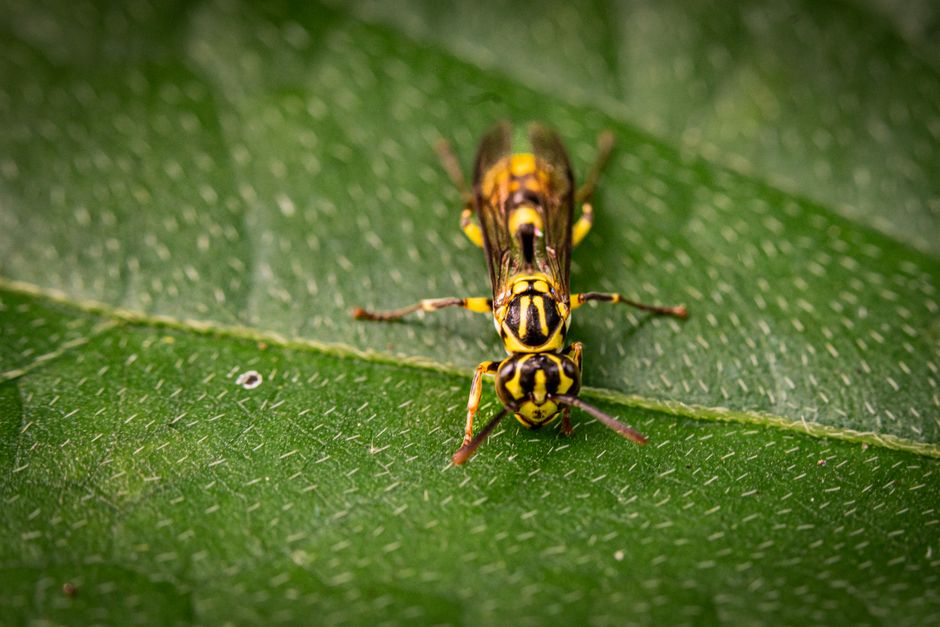
People get confused all the time, but the difference between a honeybee and a paper wasp is huge. If you’re seeing something brownish-red or black with yellow markings, thin waists, and a "dangling" leg look while they fly, you’ve got paper wasps. They build those umbrellas-shaped nests that look like grey honeycomb paper. They aren't trying to pollinate your garden for honey; they are looking for a spot to raise their brood, and your porch is a luxury hotel to them.
If you aren't sure what you're dealing with, you can always check with pros like Bee Smart Pest Control or Mega Bee Pest Control (who do great work with rescues if it actually *is* a swarm of honeybees). But if it’s paper wasps, you’re looking at a different game plan.
Why Your Porch is the "Prime Real Estate"
Paper wasps love structure. They want Click for info protection from the rain, wind, and predators. Your porch provides the perfect "ceiling" to anchor their nests. Here is my mental checklist of the top spots I see them in Connecticut homes:
- Porch Ceiling Rafters: The classic location. It’s dry and shaded. Shutters and Window Frames: Anywhere with a small gap where they can feel secure. Deck Undersides: Especially if there is lattice work or narrow gaps between floorboards. Wall Voids: This is where it gets dangerous. If they go *into* the house structure, do not spray the hole shut! You’ll just trap them, and they will chew through your drywall to find another way out (usually into your kitchen).
The Seasonality Spike: Why They Are Everywhere Right Now
If you're reading this in mid-to-late summer, you aren't alone. That’s peak "wasp annoyance" season. In the spring, you might only see a queen or two. By August, the colony has matured, the worker population has exploded, and they are starting to look for spots to overwinter. If you don't break the cycle now, you're just going to see a paper wasp removal bigger nest next year.
Wasp Activity Timeline in Connecticut Time Period Activity Level What to Expect May/June Low Queens are starting small, umbrella-shaped nests. July Moderate Workers are active; nests are expanding. August/September High Peak population; aggressive behavior; lots of flight traffic.Don't "Just Spray It" – The Right Way to Handle Them
I cannot stress this enough: stop buying the cheap aerosol cans from the hardware store and firing them blindly at your siding. Most DIY sprays are just contact killers. They hit the wasp, it falls, you feel like a hero. But the nest? The nest is still there, protected by the housing, and the larvae inside will eventually hatch. Or, even worse, the workers out foraging return, find the nest compromised, and become incredibly defensive.
The Professional Approach: Residual Treatments
When our techs go out, we use fast-acting materials to handle the immediate threat so no one gets stung. But the real magic is in the residual treatment for paper wasps. A residual material stays active on the surface, meaning if a wasp lands where the nest used to be, or tries to start a new one, the material does the work for us.
If you insist on doing this yourself, focus on prevention, not warfare:
Inspect in the early morning: The wasps are sluggish and less likely to swarm. Seal gaps: Use caulk or fine mesh to seal cracks near your porch where they might be entering wall voids. Remove old nests: If you see a nest in winter (when they are empty), knock it down! Wasps are less likely to build near the "ghost" of an old nest, but they definitely will if you leave it hanging there.A Warning on Ground Nests and Lawn Mowers
I get calls from folks who say, "I was just mowing my lawn and suddenly I’m being chased." That is rarely a paper wasp. That is almost always a Yellowjacket nest in the ground. If you are mowing the lawn and see a hole with a constant stream of traffic, stop. Do not try to mow over it. Do not pour gasoline in it (please, I’m begging you). Call a professional. Ground nests are volatile and require a completely different approach than a porch-hanging paper wasp nest.
Final Thoughts: Prevent Porch Nests Effectively
To summarize, if you want to keep them off your porch next year, you need to be proactive. Waiting until the nest is the size of a dinner plate makes removal a hazard for you and your family. If you’re seeing consistent traffic, don’t ignore it, and don't just swat at them.
Remember: Where exactly are you seeing them? If they are inside the walls, call a pro. If they are on the surface, clear the old nests during the off-season, seal up your gaps, and use appropriate residual treatments to make your porch a "wasp-free zone."
Stay safe out there, and keep those porch lights off at night if you notice they are attracting extra "guests" in the evening!