If you live near The Domain or further out into the shifting soils of Pflugerville and Round Rock, you know the drill: this ground doesn’t stay still. As a technician who has spent the last 12 years Click here for more crawling through equipment pads and diving into North Austin backyards, I’ve seen enough fractured PVC to fill a swimming pool twice over. People often call me panicked, worried they have a massive structural failure, but usually, it’s just the earth doing its job—shifting, settling, and putting stress on plumbing lines that were never designed to move.
Before we even talk about sensors or digging, I always ask my first question: How often does your autofill run? It’s the single best diagnostic tool in the industry. If you’re constantly topping off, we have a starting point. And before you let some contractor suggest digging up your deck on a hunch, let’s talk about how real The Domain pool leak detection should actually be done.
The North Austin Soil Problem: Why Your Pipes Are Moving
We operate in a unique environment. Between the clay-heavy soils of Pflugerville and the limestone shelf that defines much of North Austin, your pool is essentially sitting on a slow-motion treadmill. When the Texas heat dries out that clay, it shrinks and pulls away from your plumbing. When we get a sudden downpour, the clay expands. This constant "heave and shrink" cycle puts massive torque on your plumbing joints.
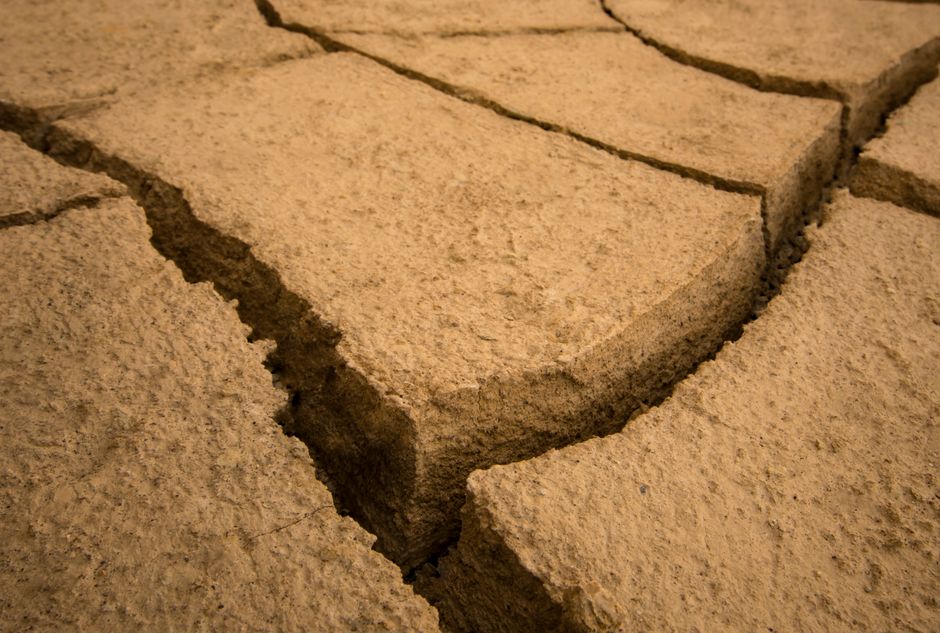
Think of it like a straw stuck in a clump of modeling clay. If you move the clay, the straw is going to bend or crack. That is exactly what happens to your pool’s return and suction lines. It’s not necessarily a bad build; it’s just physics. The key is finding those micro-fractures before they turn into a yard-sized sinkhole.
The "No-Drain, No-Dig" Philosophy
I get genuinely annoyed when I hear about contractors who show up, look at a pool for five minutes, and start talking about jackhammers. Digging is the absolute last resort, not the first step. You shouldn't have to ruin your travertine deck or your expensive landscaping because someone is too lazy to perform a proper pressure test.
When I work with companies like Level Up Leak Detection, LLC, we stick to a strict, scientific process. We use no-drain, no-dig leak detection. My small notebook—the one I carry everywhere—is full of line-by-line pressure readings. If I can't isolate a leak through systematic pressure testing of the plumbing lines, I’m not digging. Period.
The Essential Toolkit
To do this right, you need the right gear. I don’t rely on guessing. I rely on high-fidelity audio equipment. We use LeakTronics hydrophones because they are the gold standard for hearing exactly what the water is doing under the surface.
- LeakTronics Hydrophones: These allow me to "listen" for the sound of escaping water through the shell or from underground. If there’s a pinhole leak in a pipe, the hydrophone picks up the turbulence. It sounds like a distinct hiss, much like a faucet left slightly open. Electronic Shell Scanning: When we suspect a structural leak in the vinyl or plaster, we use electronic scanning. By placing a small electrical charge in the water, we can identify a path of current traveling through a crack or tear in the liner, even if it’s too small for the human eye to see.
Common Leak Locations in Local Pools
After 12 years of crawling around North Austin, I’ve realized that leaks are rarely "random." They tend to favor specific high-stress areas. Here is a breakdown of what I usually find when I arrive on a site:
Location Common Cause Detection Method Skimmer Throat Ground settling/separation from shell Dye testing/Hydrophone Light Niche Conduit failure Electronic Shell Scan Return Fittings PVC glue degradation Pressure test/Listening Main Drain Hydrostatic valve failure Pressure testingWhat Does It Cost?
One of the things that bothers me most about this industry is the "bait and switch" pricing. You’ll see websites offering a $99 leak search, and I promise you, those guys are just looking for a reason to sell you a new pump or a filter you don't need.

I don't play those games. Because every pool system is different—some have automated valves, others have complex plumbing runs through solid rock— there is no specific price list for leak detection. Pricing depends entirely on the pool size, the number of lines, and the overall system complexity. We provide a professional quote only after assessing your specific situation. We value transparency over "salesy" marketing tactics.
Why You Should Avoid "Guess-Work" Contractors
If a contractor walks into your backyard near The Domain and starts talking about digging before they’ve even verified the pressure loss in your lines, show them the gate. Vague promises like "we’ll figure it out as we go" are a recipe for an expensive disaster. You want a technician with a plan, a notebook, and a set of LeakTronics detection gear.
A true specialist will be able to show you the data. They should be able to say, "The return line on the deep end is losing 2 PSI over 10 minutes, which confirms a breach in that segment." That is the level of precision you deserve when you’re maintaining an asset as valuable as your pool.
Final Thoughts: Keep Your Eyes (and Ears) Open
If you're in the North Austin, Pflugerville, or Round Rock area and you notice your autofill running more frequently, don't wait until you see wet spots in your lawn. The sooner we identify the breach using a LeakTronics hydrophone, the less likely you are to deal with major structural damage or expensive landscape repair.
My advice? Start keeping a log of how often your autofill engages. Call a professional who prioritizes science over guesswork. Keep your deck intact, keep your water bill under control, and most importantly, keep your pool running the way it was designed to—without any mystery leaks dragging you down.
Need an expert eye on your pool? Whether it’s an elusive pipe crack or a mysterious structural weep, ensure you’re working with professionals who use modern technology to solve the problem—not just a shovel.