Let’s be honest: there is nothing more unforgiving than a 6:00 am date with a standard-issue, high-output LED downlight. You’ve just crawled out of bed, you’re squinting at your reflection, and suddenly, that single, clinical point of light above your head is highlighting every pore, shadow, and sleepy expression you aren't ready to confront yet.
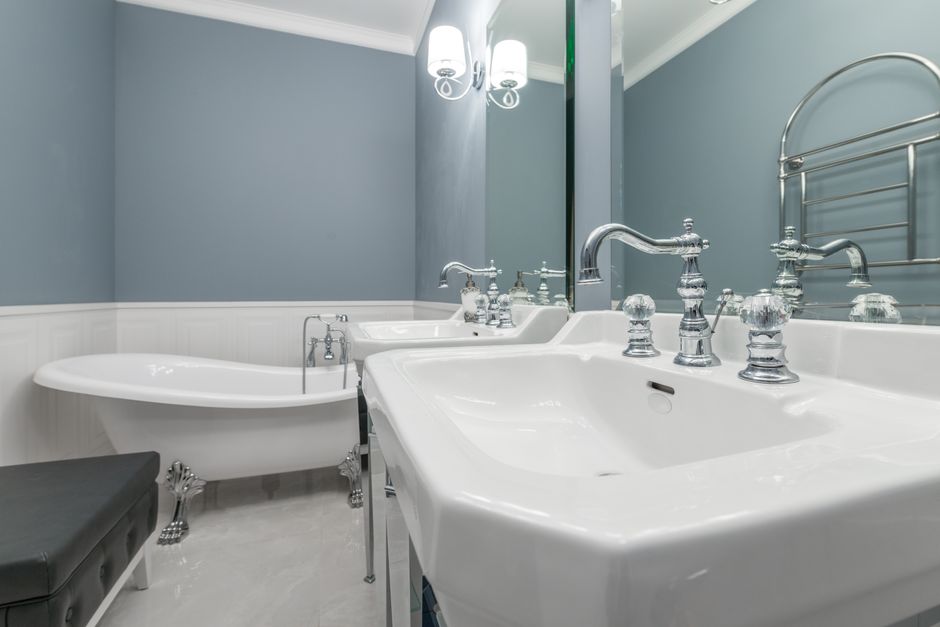
After eleven years in bathroom retail and showroom consulting, I’ve seen thousands of beautiful, expensive tile choices ruined by a single design oversight: the lighting. Too many homeowners treat their bathrooms like an operating theatre. They crave https://www.bendigoadvertiser.com.au/story/9276788/why-australian-homeowners-are-bringing-hotel-style-bathrooms-into-their-homes/ "brightness" for cleaning, forgetting that the bathroom is actually our most intimate ritual space. It is where we start our day with intention and finish it by decompressing. When the lighting is wrong, the wellness aspect of your home design simply evaporates.
If your bathroom feels more like a fluorescent-lit corridor than a sanctuary, you aren't alone. And—here is the good news—you don't need a massive, budget-busting renovation to fix it.
The Psychology of Luxury: Why Lighting Matters
We often talk about luxury as if it’s defined by marble slabs or gold-plated tapware. True luxury, however, is about how a room makes you feel. A space that feels "calm" is usually one that avoids high-contrast, harsh lighting. When you walk into a hotel bathroom that feels like a spa, it isn't by accident. They are using soft bathroom lighting to influence your nervous system.
Harsh overhead lighting spikes cortisol; it puts your brain in "task mode" the second you walk through the door. Conversely, warm bathroom ambience encourages the parasympathetic nervous system to relax. If you want to transform your daily ritual, we need to move away from the "one size fits all" ceiling light and look at layering.
Understanding the Three Layers of Light
In my showroom days, I used to tell clients that a bathroom needs to function like a stage set. You don't use the same light to put on makeup as you do to soak in the tub at 10 pm. Here is the breakdown of how to structure your space:

The Common Culprit: Mirror Placement and Light Temp
My first rule as a consultant? Always check the mirror placement first. If you have a light source directly above your mirror pointing straight down, it creates "raccoon eyes"—shadows under your eyes and nose that make you look ten years older than you are. This is a common mistake I see in photos across sites like Shutterstock, where staged bathrooms look visually pleasing but would be a nightmare to actually use in real life.
The Kelvin Factor
If you take nothing else away from this piece, remember this: colour temperature matters. Light temperature is measured in Kelvins (K).
- 5000K - 6500K (Daylight/Cool White): This is the "dentist office" setting. It’s blue, it’s cold, and it’s harsh. Avoid this in the bathroom at all costs. 3000K (Warm White): The sweet spot for bathrooms. It’s inviting, warm, and renders skin tones accurately without being yellow.
If you have existing globes in your bathroom, check the box. If they are 4000K or higher, swap them out for 3000K LEDs immediately. It is perhaps the single most effective "small change" that changes the whole room.
The LED Mirror Solution
When clients tell me they can't afford to move electrical wiring, I point them toward integrated solutions. This is where companies like LED Mirror World become a secret weapon for home renovators. By using a mirror with integrated, edge-lit, or front-lit LEDs, you effectively eliminate the need for harsh overhead task lighting.
A good LED mirror provides light that hits your face at eye level—exactly where it’s needed for tasks like shaving or applying makeup—while keeping the ceiling dark. It turns the mirror into an accent piece rather than a functional afterthought. If you are browsing the LED Mirror World website, pay close attention to the diffused edges. You want a light that is soft and wrapped, not a series of individual, piercing dots.
Don't "Just Renovate" — Be Tactical
One of my biggest pet peeves in the industry is the advice to "just renovate" when a space feels tired. Renovating is expensive, disruptive, and rarely necessary just because the lighting is bad. Start with small, non-invasive changes:
The Dimmer Switch: This is a bathroom game-changer. Ask your electrician to install a dimmable switch. Even if you haven't changed your lights yet, being able to lower the output by 30% makes an immediate difference to the room's mood. Separate your circuits: If you have one light switch for the whole room, you are being forced to turn on the "big light" every time you walk in. Ask an electrician if they can split your circuit so your ambient ceiling light and your vanity light are on separate switches. Task Lighting at the Mirror: If you have the space on either side of the mirror, add two wall-mounted sconces at eye level. This creates cross-illumination, which is the gold standard for removing shadows.
While I often recommend people look at local lifestyle features for inspiration—like checking out the latest home trends in a Bendigo Advertiser subscription or catching up on local design stories via their login flow—be wary of the "finished" photos. They are often shot with professional fill-lighting that you simply won't have in your everyday life. Focus on function first.
Final Thoughts: The Ritual Space
Your bathroom should be the place where you ease into the world or retreat from it. It’s hard to do that under the glare of a high-Kelvin, single-source overhead light. By shifting your focus toward task lighting at the mirror, selecting a warmer colour temperature, and introducing simple dimming controls, you can reclaim that sense of calm.
Remember, the goal is not to have a "perfectly lit" bathroom—the goal is to have a bathroom that supports your morning and evening rituals. A little soft, intentional light goes a long way toward creating that feeling of wellness we all crave. You don't need a demolition crew; you just need to rethink the light.
Looking for more small-change design tips? Stay tuned to my blog for my ongoing series on "High-Impact, Low-Budget Changes" for every room in the house.