If you are reading this, I’m going to assume you just saw something in your pantry that made your skin crawl. You’re looking for answers, and you’re looking for them fast. As an office manager and field tech here in Southeastern Connecticut, I spend my days answering calls from homeowners who find that "one little speck" and start to panic. I’m not here to tell you to "just keep it clean"—that’s lazy advice. I’m here to tell you exactly what you’re looking at and why, before we even talk about chemicals, we need to ask the golden question: Where is the water coming from?
The Difference Between "Black Pepper" and "Coffee Grounds"
When clients call Petrin's Pest Control, one of the first things I ask them to do is grab a flashlight and look for what looks like debris. We often categorize roach droppings into two visual profiles:
- Black Pepper (German Roach Nymphs/Small Infestations): These look like tiny, dark specks, similar to cracked black pepper or poppy seeds. You’ll usually find these near hinges of cabinets, the undersides of drawer slides, and behind those open cereal bags you really should be sealing in airtight containers! Coffee Grounds (Adult German Roaches/Heavy Infestations): As the population grows, the droppings become larger, darker, and more "clumped." They resemble wet coffee grounds. This is a sign that you don’t have a straggler; you have a colony that has set up shop.
Comparative Table: Identifying the Signs
Sign Appearance Typical Location Droppings (Small) Black Pepper Hinges, drawer tracks, wall voids Droppings (Large) Coffee Grounds Behind fridges, under stoves, motor housings Smear Marks Brown/Dark streaks Corners, baseboards, door frames Shed Skins Translucent, papery shells Dark cabinets, crawlspacesNew England Roaches: Who Are They and Where Do They Hide?
In Connecticut, we deal mostly with German Cockroaches. Unlike their outdoor cousins, these guys love living indoors with us. They don’t just "wander in" because your house is dirty. They are professional hitchhikers. They come in via grocery bags, cardboard shipping boxes, and used appliances. Once inside, they hunt for two things: warmth and moisture.
I keep a mental map of the Top 5 Roach Hiding Spots behind appliances. If I’m at your house, I am checking these first:
The underside of the coffee maker (warmth + water). The rubber gasket of the refrigerator (moisture trap). Behind the dishwasher motor. Inside the microwave casing (they love the electronics). Under the kitchen sink where the pipes penetrate the wall (the moisture highway).Beyond the Droppings: Early Warning Signs
If you see the "coffee grounds," you’ve likely been living with them for a while. You want to catch them before that. Aside from the droppings, look for:
- Smear Marks: Roaches leave fecal smears that look like dark, oily streaks in the corners of cabinets or near water sources. The Odor: A heavy infestation carries a distinct, musty, oily smell. It’s caused by pheromones. If you can smell it, the colony is massive. Shed Skins: Roaches grow by molting. Finding these translucent, shell-like pieces is a definitive sign of an active, breeding population.
Health Risks and Your Indoor Air Quality
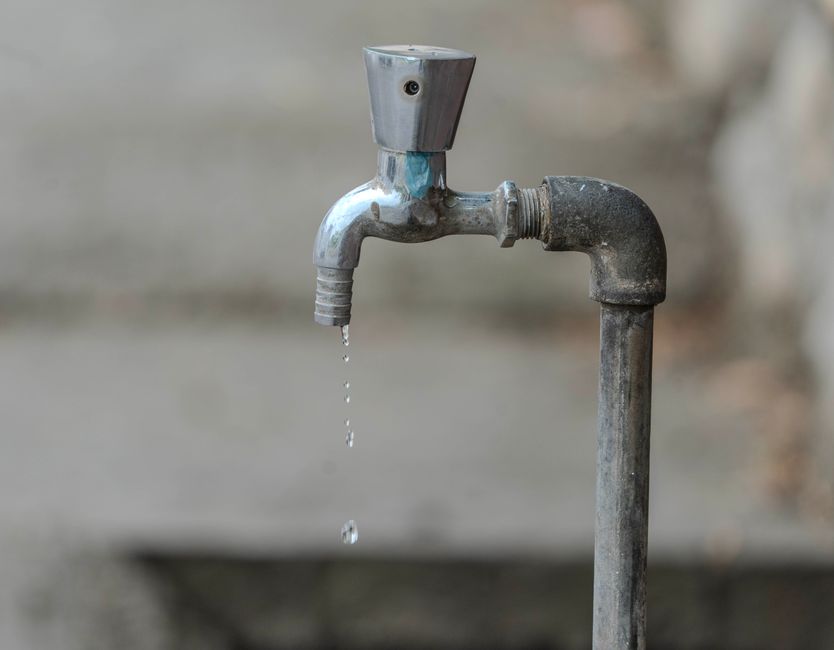
This isn't just about being grossed out. The NPMA (National Pest Management Association) has long documented that roaches are a serious public health concern. Their droppings, saliva, and shed skins contain proteins that act as potent allergens. When these break down into dust, they enter your indoor air supply. For children, seniors, or anyone with asthma, this can lead to chronic respiratory issues. This is why I get so annoyed when people blame "dirty houses." It’s not about dirt; it’s about water and entry points. If you have a leaky pipe under your sink, no amount of bleach will keep them away.
How We Handle the Process
At Petrin's Pest Control, we don’t believe in "one spray and you’re done." That’s a myth sold by companies that want to make a quick buck. Dealing with roaches is a process of exclusion, sanitation, and precision baiting.
Communication is Key
We know that waiting for a professional can be stressful. That’s why we utilize live chat and SMS powered by Avochato. You don’t have to sit on hold for 20 minutes. You can text us a picture of what you found—whether it’s that "black pepper" on your counter or a weird spot behind your sink—and we can give you expert advice in real-time.
[Insert Graphic: Google Review Presence - "5-Star Rating: The only team that actually told me how to seal my pipes!"]
Stop the "Just Keep It Clean" Myth
I hear it every day: "My house is spotless, why do I have them?" Roaches aren't interested in your dust bunnies; they are interested in the leak behind your dishwasher. If you don’t fix the water source, you are just providing a buffet for the next wave of invaders. Clean your pantry, yes—seal your open cereal boxes in hard plastic, please!—but spend more time checking the plumbing.
My Field Assistant Checklist:
- Seal the gaps: Use silicone caulk around pipe penetrations. Ditch the cardboard: Take groceries out of boxes immediately. Roaches love the glue in corrugated cardboard. Dry it out: Wipe your sink basin dry every night before bed. It sounds small, but it’s the most effective trap-prevention method I know.
Ready to Take Control?
If you’ve spotted "black pepper" or "coffee grounds" in your home, don’t wait for the population to explode. Reach out to us. crawl space cockroach control We’re local, we know the Connecticut housing stock, and we know exactly where these pests hide. Whether you reach out via our website or our live chat and SMS powered by Avochato, we’re ready to help you reclaim your kitchen.
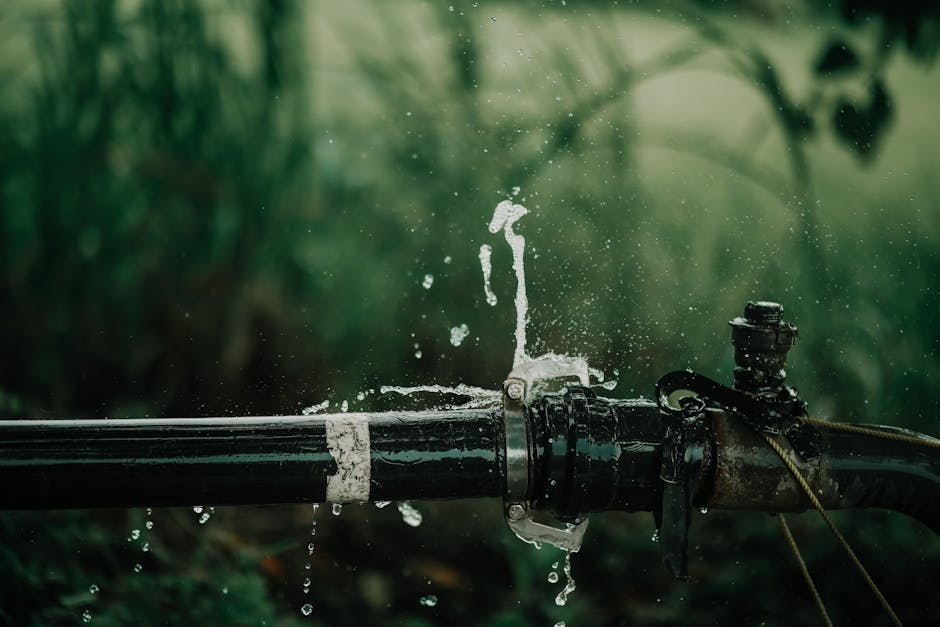
Remember: Don’t just spray and pray. Find the water, stop the leak, and call the pros at Petrin's Pest Control to get it done right the first time.