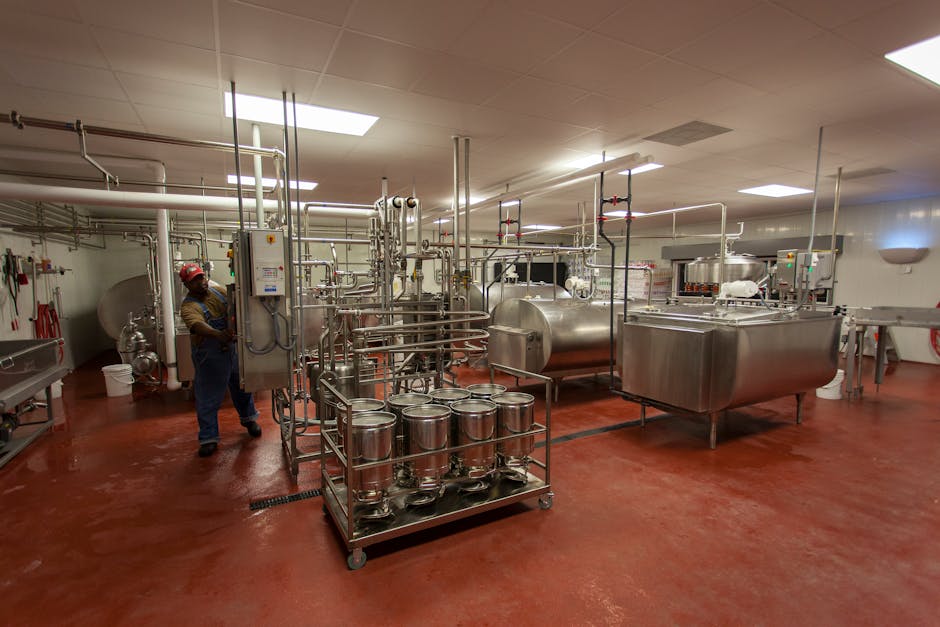
I’ve spent 12 years looking at floors. I’ve seen them fail, I’ve seen them thrive, and I’ve seen millions of pounds wasted because someone decided to choose a floor based on how it looked in a glossy brochure during a site handover. Listen: I don’t care if your floor looks like a showroom mirror on Friday afternoon. I care about what that floor sees on a wet Monday morning in February when the shutter is stuck, the heating is off, and a 4-tonne forklift is dragging a pallet of frozen goods across it.
If you are specifying a floor, stop calling things "heavy duty." It’s a useless, meaningless phrase. Tell me the Newton-per-millimetre load, the frequency of traffic, and whether you’re dealing with aggressive cleaning chemicals. Without that data, you’re not building a floor; you’re buying a headache.

Infrastructure, Not Interior Design
The biggest mistake in warehouse management is treating industrial flooring as decor. It isn’t. It is a critical piece of infrastructure—as vital as your steel racking or your fire suppression system. When you ignore the structural reality of your flooring, you’re inviting downtime, structural failure of your trucks, and accidents.
Whether you’re working with the technical experts at evoresinflooring.co.uk or getting the fundamentals right with specialists like kentplasterers.co.uk, the conversation must always start with the engineering requirements, not the colour chart.
Defining FM2 Flatness: What Does it Actually Mean?
In the UK, when we talk about floor flatness, we are usually referencing BS 8204 tolerances. These standards exist to ensure that your machinery doesn't destroy itself—or your inventory—as it travels across the slab.
FM (Free Movement) classifications relate to floors where handling equipment can operate in any direction. The numbers (FM1, FM2, FM3) refer to the degree of floor flatness and levelness:
- FM1: The highest standard, reserved for very high-density storage where racking height is extreme and precision is non-negotiable. FM2: The industry standard for high-performance warehouses. It provides a tight tolerance that ensures your forklifts operate smoothly without vertical oscillation. FM3: The standard for basic, general-purpose warehouse flooring.
When is FM2 required? If you are running narrow aisle trucks or any forklift where the load is elevated significantly, FM2 is usually the baseline. When a forklift lifts a pallet to six or seven metres, a deviation of just a few millimetres in the floor level becomes amplified at the mast head. That's how you tip a pallet, damage a rack upright, or cause a catastrophic workplace injury. If your racking height pushes past the standard levels, FM2 is no longer a "nice to have"—it’s a safety requirement.
The Four Pillars of Flooring Specification
Before you sign a contract, you must evaluate these four factors. If your contractor doesn't ask you about these, show them the door.
1. Load
Are we talking about pneumatic tyres or hard polyurethane wheels? A point load from a reach truck wheel can exert massive pressure. You need to know the dynamic load, not just the static load. Don't tell me it's "heavy duty"; give me the PSI.
2. Wear
How many movements per hour? Is it constant 24/7 activity? A floor that survives 10 cycles a day will be shredded in a month if you increase that to 500 cycles with hard-wheeled trucks.
3. Chemicals
This is where things go wrong. If you are in food production, you have organic acids, hot wash-downs, and fats. If you are in a distribution centre, you have battery acid from charging stations and hydraulic oil leaks. If your floor isn't chemically resistant, it will delaminate faster than you can write a claim.
4. Slip Resistance
Stop talking to me about slip resistance when the floor is dry. Anyone can stand on a dry floor. I want to know about the PTV (Pendulum Test Value) in wet, greasy, or contaminated conditions. Don't look at "R-ratings" in isolation; they are often based on oil-drenched ramps and don't always translate to the reality of a muddy pallet jack in a loading bay on a rainy Monday.
System Comparisons: Making the Right Choice
Every kentplasterers.co system has a limitation. Here is how they stack up in a real-world environment:
System Best Use Case Major Limitation Epoxy Coating Light traffic, clean environments Brittle under heavy point loads; fails with heavy impact. Polyurethane Screed Food production, chemical resistance Higher cost, requires highly skilled application. Polished Concrete Retail or clean warehousing Can be slippery if not treated; doesn't handle chemical spills well. Dry Shake/Topping High-traffic distribution Hard to repair if the finish is compromised.The Truth About Preparation: Don't "Discover" the Cost Later
Nothing grinds my gears more than a contractor who quotes a low price for the topping and then "discovers" that the concrete substrate needs prep. Prep is not a variation; it is the most critical part of the job.
If you don't use shot-blasting or grinding to remove laitance and contaminants, your coating will fail. It will bubble, it will peel, and you will be back to square one. You need a surface profile that allows the resin to mechanically lock into the concrete. Skipping moisture tests before applying coatings is the quickest way to turn a £50k project into a £100k failure. Always, and I mean always, test for moisture content in the slab. If the slab is damp, the coating will pop.
UK Compliance and BS 8204
In the UK, we follow the BS 8204 suite of standards. This covers everything from the screed to the final finish. When you are looking at tolerances, don't just ask the contractor "is it flat?" Ask them for their "TR34" or "BS 8204" survey results. You want to see the numbers. If they tell you it’s "within reason," run.
If you are operating narrow aisle trucks, you aren't just looking for a flat floor; you are looking for a super-flat floor. The precision required for narrow aisle operations is significantly higher than that of a standard warehouse floor. Ensure your contractor is using modern, laser-guided screeding equipment and has the capability to perform independent flatness surveys upon completion.
Final Thoughts: The Monday Morning Reality
When you're pricing a job, don't just look for the bottom-line price. Look for the company that asks you about your forklifts, your cleaning schedule, and your spill protocols. Look for the company that worries about your moisture readings before they even pick up a grinding tool. Look for the company that understands that a floor isn't a commodity; it's the foundation of your entire operation.
If you need your warehouse floor to survive the next decade, start with the engineering specs. Get the flatness right, get the prep right, and never, ever settle for "heavy duty" as a substitute for a real technical specification.