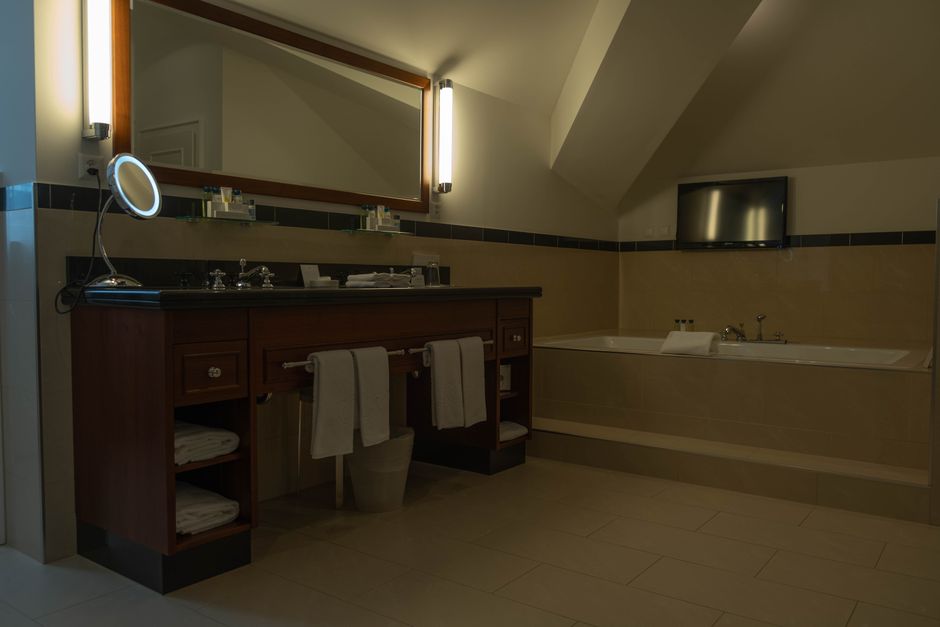
When designing a bathroom with a long vanity, achieving a balanced and harmonious look is key to creating a functional and inviting space. The right long vanity mirror ideas and lighting strategy can transform the wall above your vanity from a bland expanse into a stunning focal point. In this comprehensive guide, we explore how modern mirror lighting solutions—especially LED integrated mirrors—are replacing traditional vanity light bars and sconces to bring both style and practicality to long vanity layouts.
Why Mirror Lighting Matters for Long Vanities
A long vanity often means a longer wall area to illuminate. Traditional lighting solutions—like a single vanity light bar or a pair of sconces—can leave the composition feeling unbalanced, shadowy in some spots, and too bright in others. Adding multiple mirrors or one continuous mirror that stretches the length of the vanity demands lighting that complements the length without creating harsh contrasts.
When done right, lighting not only enhances your reflection but also washes light elegantly onto the wall surface—whether paint, tile, wood, or stone—bringing texture and depth to the room.
Traditional vs. Modern Lighting Approaches
Lighting Type Pros Cons Vanity Light Bars Simple installation, even frontal lighting Can look bulky above long mirrors, creates harsh shadows on textured walls Wall Sconces Offer side lighting for flattering illumination May feel cramped or unbalanced with multiple mirrors LED Mirror Lighting Integrated, sleek profile; soft, even illumination; customizable lighting styles Requires precise placement planning, slightly higher initial investmentLED Mirrors: Replacing Vanity Bars and Sconces
LED mirrors have become increasingly popular as a sleek alternative to traditional lighting fixtures. Companies like LED Mirror World specialize in LED-integrated mirrors that illuminate the face evenly without casting strong shadows or glare, a common complaint with vanity bars and sconces.
- Integrated lighting: These mirrors have built-in LEDs either around the edges or within the glass itself, creating a seamless look. Energy efficient: LED lighting uses minimal power and lasts longer than incandescent or halogen bulbs. Customizable: Brightness levels and color temperatures can often be adjusted, allowing you to mimic natural daylight.
This shift to LED mirrors also supports better vanity wall composition for long layouts. Instead of fighting for balanced fixture placement on the You can find out more wall, lighting is part of the mirror itself, allowing each segment of the vanity to be perfectly lit.
Backlighting vs. Edge Lighting vs. In-Glass Light Lines
When selecting an LED mirror for a long vanity, understanding the different lighting styles is crucial. Each type impacts the wall and the overall mood of the bathroom differently:
Backlighting
Backlit mirrors have Additional resources LEDs installed behind the mirror's surface, casting a gentle halo of light onto the wall. This creates a striking architectural effect that works well on smooth, light-colored walls such as white paint or minimalistic tile.
Wall Impact: The light "washes" softly around the mirror, emphasizing the mirror shape and adding depth to flat surfaces without overwhelming texture or stone veining.
Edge Lighting
Edge-lit mirrors shine LEDs along the perimeter of the glass, causing the surface to glow evenly. This approach produces more direct task lighting for grooming and makeup tasks.
Wall Impact: Edge lighting creates a cleaner, more precise look. On textured walls such as wood paneling or natural stone, the glow highlights the surface’s highs and lows, adding visual interest.
In-Glass Light Lines
This modern style integrates fine LED light strips patterned within the mirror glass itself, often in geometric or linear designs. It doubles as both lighting and decorative element.
Wall Impact: The unique lines create subtle shadows and reflections on the wall. This effect can be stunning but risks making the space feel busy if your wall material has strong patterns or veining.
Long Vanity Layouts Using Multiple Mirrors
Long vanities—especially those over 6 feet—rarely benefit from one continuous mirror. Multiple smaller mirrors can help break up the length, making the space feel more human-scaled and visually accessible. The key challenge? Keeping the lighting consistent across all mirrors so that the vanity wall composition feels unified.
According to insights shared on platforms like Twitter and home design forums on Facebook, homeowners appreciate when:
- Each mirror has its own consistent LED lighting that matches in color temperature and brightness. The mirrors are aligned perfectly with equal spacing to avoid a segmented look. Lighting complements the wall finish; for example, backlit mirrors for darker paint, edge lighting for reflective tile, and in-glass light lines for decorative stone.
The “three mirror layout” is a common scheme: three equally sized LED mirrors spaced evenly across the vanity wall. This layout merges the balance of traditional symmetry with the modern appeal of individual lighting.
How Different Wall Surfaces React to Mirror Lighting
The interaction of light with the wall surface behind your vanity mirror is often overlooked but critical to a successful design. Here’s what to consider for common materials:
Wall Material Best Lighting Approach Effect of Light on Surface Painted Walls Backlighting works well, especially on matte or satin finishes Soft light wash with subtle shadows, enhancing color depth Tile (Glossy or Matte) Edge lighting or backlighting, depending on tile pattern Creates reflections and light play, can enliven simple tile patterns Wood Paneling Edge lighting preferred to accentuate texture and grain Light highlights wood grain depth, but harsh white LEDs can feel stark Natural Stone (Marble, Quartz, Granite) In-glass light lines or soft backlighting to avoid competing with veining Light washes add a gentle glow without overwhelming pattern complexityBe cautious with overly cool or blue-tinted LED lighting—often marketed as “luxury” lighting—but which can feel harsh, especially on wood and stone surfaces.
Recommendations from Homedit and Other Trusted Sources
Reputable design sites such as Homedit emphasize that the best vanity wall compositions feature cohesive groupings of lighting and mirrors tailored to the length of the vanity. Their advice reinforces:
- Using multiple LED mirrors for long vanities for balanced illumination. Choosing lighting color temperatures between 2700K to 3500K to mimic warm daylight without feeling blue or clinical. Planning the placement of LED mirrors in relation to the entire bathroom lighting plan, including ambient and task lighting.
Conclusion: Creating a Balanced Vanity Wall Composition
For long vanities, LED mirrors are the modern solution to the age-old lighting challenge. Whether opting for backlighting, edge lighting, or in-glass light lines, they offer customizable, even illumination and transform the mirror wall into a design statement that complements your choice of paint, tile, wood, or stone.
Consider the three mirror layout with matching LED lighting as a straightforward design that works well across a variety of styles and materials. Remember to factor in the way your chosen lighting “washes” or highlights the wall surface, avoiding overly blue hues and busy lighting patterns that compete with your materials.
To stay inspired, tap into trusted sources such as LED Mirror World for product options, browse Homedit for expert insights, and engage with fellow designers and homeowners over social media platforms like Twitter and Facebook.
Ultimately, smart lighting choices help your long vanity feel both balanced and beautiful—where every detail shines just right.
