Choosing the right mirror in a rental apartment can feel deceptively simple, but it’s really about balancing function, style, installation ease, and longevity—especially in spaces where you can’t modify walls or invest heavily in custom features. Whether you want extra medicine cabinet storage apartment style, a sleek frameless look on a tight budget, or a smart plug in LED mirror solution that enhances your morning routine without rewiring, your choice affects daily life far beyond reflection.
Industry guidelines from the National Kitchen & Bath Association (NKBA) can help frame decisions around proportions and lighting, while insights from fixture brands like Golden Lighting and retailers such as Lumens provide options that blend design and practical installation. We’ll also walk through collaboration steps with specialists like the glazier and electrician to make sure your mirror setup is hassle-free and fits your rental lifestyle.
Why Mirror Type Matters for Apartment Renters
In a rental environment, you often need reversible, damage-free installations. The wrong mirror can lead to frustrating wall damage, poor lighting for daily grooming, or bulky setups that eat into limited space. Let’s break down the key considerations:
- Shape & Size: Mirrors must fit lighting—especially sconces—and keep placement heights ergonomic. Storage: Is extra medicine cabinet storage a priority or just a convenient bonus? Mounting Method: Can you safely use wall anchors or adhesive solutions without risking damage to drywall? Lighting: Task lighting (around mirrors) vs ambient room lighting, and how mirror lighting can fill gaps.
Common Mirror Types and How They Fit Apartment Needs
1. Medicine Cabinet Storage Mirrors
These are a classic for apartments needing storage without extra furniture. The recessed variety requires wall cutting—usually off-limits for renters—but surface-mounted cabinets offer a no-drill alternative in some cases using strong adhesives or toggles with landlord permission.
Pros:
- Extra storage for toiletries keeps counters clutter-free. Often include adjustable shelving behind the mirrored door.
Cons:
- May protrude into room space—careful with small apartments. Hardware quality varies; cheap frames can warp or rust in humidity.
Tip: When considering medicine cabinet storage apartment options, verify hinge durability and framing to withstand bathroom humidity. Ask if the frame is sealed and rust-proof. Also consider if the cabinet tolerates the available mounting surface (tile, drywall) and if the weight requires professional installation.

2. Frameless Mirrors on a Budget
The frameless mirror budget option is popular for renters drawn to a minimalist aesthetic. Glass plates with polished edges reduce bulk and visual interruptions. Installation often involves clean adhesive pads or clips rather than heavy-duty screws, minimizing drywall damage.
Pros:
- Lightweight and sleek, ideal for small bathrooms. Easy to replace or relocate.
Cons:
- Edges must be properly sealed; unsealed glass edges can fail in humidity. No built-in lighting or storage, so you’ll need complementary fixtures.
Glazier expertise is crucial here—template-based glass cutting and sealing techniques ensure longevity. Ask if the glass is tempered to reduce break risk, and inquire about moisture-resistant sealants. Remember: poorly sealed edges lead to permanent damage from bathroom steam and splashes.
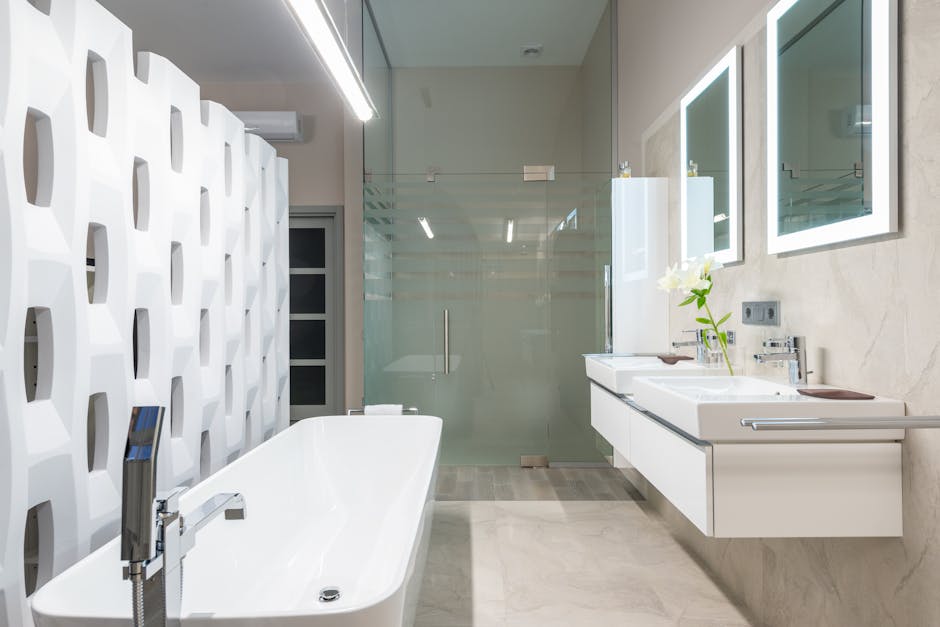
3. Plug-in LED Mirrors
Installed via a simple plug-in, LED mirrors offer modern lighting upgrades without rewiring—ideal when landlords restrict permanent electrical work. Brands sold through specialty retailers like Lumens often provide well-designed plug-in options with brightness controls and color temperature adjustment.
Pros:
- No electrician needed; plug directly into existing outlets. Integrated lighting enhances task visibility with minimal hardware. Often come with demister pads to prevent fogging—important for humid apartment bathrooms.
Cons:
- Requires an accessible outlet near the mirror location. Cord management can look messy if not carefully planned.
Electricians sometimes help retrofit or add switched outlets to optimize placement without full hardwire jobs. For renters, cord covers can be a neat, damage-free solution to keep the plug and wire hidden.
Sizing Rules Tied to Lighting Layout
The National Kitchen & Bath Association (NKBA) provides clear sizing rules to optimize mirror and lighting coordination. These guidelines are essential when choosing or customizing your apartment mirror to avoid common pitfalls like oversized mirrors crowding wall space or sconces suffering from blocked light.
Measurement Guideline Rationale Mirror Height ~36" minimum for full face and upper torso reflection Accommodates user heights 5’4” to 6’4” comfortably Mirror Width 24" to 36" centered on sink; leave 12-18" clearance per sconce Ensures balance with flanking sconces for optimal shadow-free lighting Sconce Spacing 28" to 36" apart, installed at 65 to 70 inches from floor Provides correct facial illumination per NKBA standardsOversized mirrors often clash with sconce spacing, forcing sconces to shift outward awkwardly or install overhead lights that fail at task lighting. For renters, it’s easier to select a mirror that comfortably fits the sconce layout or vice versa, avoiding costly rewiring or wall patching.
Placement Heights and Sconce Spacing for Renters
Proper mirror heights and sconce spacing affect your daily experience and convenience. For renters:
- Mount mirrors centerline around 60" from floor, adjusted slightly for household average height. Sconces flanking the mirror should hang about 65"-70" off the floor at the fixture’s midpoint. Keep 4" to 6" clearance between mirror edges and sconces to avoid overcrowding and unwanted shadows.
Golden Lighting’s designer sconce models, available at Lumens, offer a range of sizes and light outputs that complement standard mirror sizes. Their adjustable-arm fixtures help renters tweak light angles without rewiring. Always check bulb type and lumen output to avoid dim lighting that ruins detailed tasks like shaving or makeup.
Task Lighting vs Ambient Lighting: What Renters Should Prioritize
Understanding the difference between task and ambient lighting helps choose the mirror and lighting combo that makes your apartment practical and pleasant.
- Task Lighting: Focused, bright lighting directly around the mirror for grooming tasks. Necessary for visual clarity; usually delivered with sconces or integrated LEDs. Ambient Lighting: Diffused lighting that fills the whole space and reduces harsh shadows. Provides atmosphere and safety but insufficient alone for grooming.
In apartments, task lighting is paramount. Many renters rely on bathroom ceiling fixtures as ambient sources but must supplement with proper mirror lighting. Plug-in LED mirrors with dimmable and color-temp options can offer customizable task lighting without rewiring hassles.
Collaborating with Glaziers and Electricians
Even simple mirror swaps benefit from professional input:
- Glazier: Templates glass dimensions for perfect fitting, ensures polished and sealed edges, and can advise on tempered glass for safety. For frameless mirrors, their expertise reduces the risk of edge damage in humidity. Electrician: Needed when installing hardwired LED mirrors or adding dedicated feeds for plug-in LED solutions (adding switched outlets or junction boxes). For renters limited in modifications, electricians help find creative ways to meet electrical needs while respecting lease conditions.
Many LED mirrors require figuring out power access and control. A quick consult can prevent unsightly exposed cords or overloaded outlets.
Summary & Recommendations for Renters
For renters needing storage: Choose surface-mounted medicine cabinet mirrors with moisture-resistant frames. Confirm secure mounting that’s landlord-friendly. For budget-conscious minimalism: Go frameless mirror budget options with professionally sealed edges from a trusted glazier. For lighting convenience: Opt for plug in LED mirrors from premium sources like Lumens, balancing brightness and cord management. Always measure before buying: Follow NKBA mirror sizing and sconce spacing rules to avoid overcrowding or shadow issues. Consult professionals: Engage a glazier for glass fit and sealing, and an electrician to handle even minor wiring needs safely.Remember, lighting always comes before mirror width when planning your setup to maintain balanced illumination. Demister pads on mirrors are strongly recommended in apartment bathrooms with poor ventilation—don’t settle for foggy mornings.
Ultimately, the easiest mirror 1600 lumens vanity lighting to live with in an apartment blends functional size, moisture-aware construction, and lighting integration—no oversized trend-chasing that soon dates or disrupts landlord agreements. Stick to the tried-and-true NKBA proportions, integrate task-focused lighting from Golden Lighting or plug-in LEDs, and rely on pros like glaziers and electricians for fitting and wiring assistance.