Any frequent business traveller or daily commuter knows the subtle but urgent struggle of retrieving that single vital item from their bag — be it a boarding pass, a charger, or a notebook. You might have heard claims that an organized briefcase layout can slash retrieval time by 20-40 percent. But is this just marketing fluff or reality backed by evidence?
Today we’ll unpack what really impacts retrieval speed, why some briefcase archetypes feel faster, and how materials and packing choices intertwine with user experience. I’ll weave in insights from trusted names like Revfine.com, Von Baer, and relevant research at Applied Polymer Science. Plus, I’ll share practical nuggets for balancing weight, comfort, capacity, and — critically — your boarding group priorities.
Why Organized Briefcases Feel Faster
Retrieval speed boils down to a few key factors: layout logic, pocket access, and how intuitively the bag “speaks” your workflow. Here’s where a thoughtful briefcase organization layout really shines.
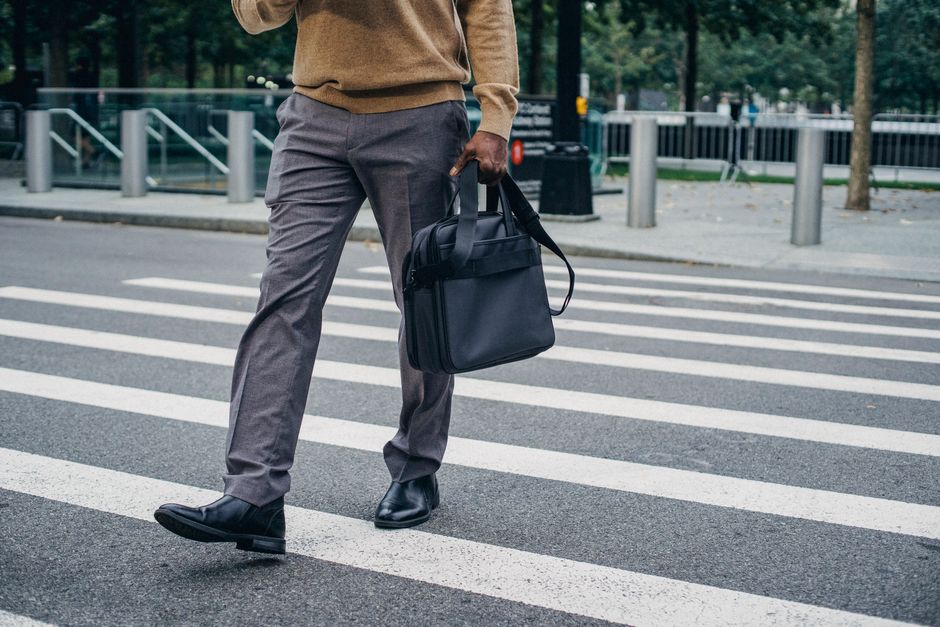
Modern briefcase designs from brands like Von Baer emphasise dedicated compartments for chargers, cables, tablets, and documents, using colour-coded interiors or modular pouches. Revfine’s attention to clear separation within minimalist designs lets users develop muscle memory for reaching their essentials without fumbling.
Imagine retrieving your Group 4 charger — essential for last-minute device top-ups before boarding — from a clearly marked, snug pocket right inside a main compartment. The alternative is rummaging through an unstructured, brick-like bag filled with tangled cables and loose notebooks.
Evidence Supporting Reduced Retrieval Time
While it’s tough to find a universally accepted study quantifying retrieval time drops in briefcases specifically, research in analogous domains supports the concept. A 2019 experimental study in Applied Polymer Science (focusing on materials and sensory feedback) highlighted how tactile differentiation and compartmentalisation improve efficiency in object location tasks — a good parallel for our question.
Additionally, anecdotal data from LinkedIn user polls within travel and productivity groups often cite subjective time savings of up to 40% when using well-organized bags. Tweets from frequent travellers echo this too, with many stating their retrieval times dropped dramatically once they switched to briefcases designed by Von Baer or Revfine.
Choosing Your Bag Archetype by Travel Scenario
Not all briefcases serve the same purpose. What works for a commuter hopping trains in London differs from a business flyer rushing through Chicago O’Hare.
- Urban Commuter Briefcases: Focus on compact size, quick-access pockets, and lightweight construction. Ideal for tight tube or bus journeys where speed over capacity is king. Business Traveller Briefcases: Usually larger, integrating padded laptop sections and extra space for documents and a Group 4 charger. Materials lean towards durable ballistic nylon or full-grain leather to stand up against frequent airport tile and carousel encounters. Hybrid Tech Briefcases: Brands like Revfine offer modular systems optimised for tech accessories, with removable pouches and cable organisers to keep retrieval times minimal when under pressure.
Ask yourself:
What’s my typical transit environment? Which items do I retrieve most often during boarding? What balance do I want between capacity and weight?Materials and Durability Stats That Matter
Durability isn’t just about scuff resistance — it directly affects retrieval speed by maintaining structural integrity and pocket shape. A floppy bag can turn into a black hole where your charger vanishes.
Material Durability Features Impact on Retrieval Speed Ballistic Nylon (Von Baer) High tensile strength, abrasion resistance, water repellency Maintains pocket shape; stops bulges that slow hand entry Full-grain Leather Natural aging, strong seams, breathable Firm exterior; interior pockets may soften, requiring extra organisation Polyester blends (Revfine) Lightweight, water-resistant, less prone to deformation Consistent performance, easy to clean, ideal for tech compartmentsFor those obsessed with data, check out specific tensile strength and abrasion resistance stats on specialist sites like onlinelibrary.wiley.com. These can give clues into expected lifespan and performance.
Weight vs Comfort vs Perceived Load
Here’s where most marketers drop the ball. Almost no one admits weight matters, yet a heavy briefcase — even if perfectly organised — creates discomfort, discouraging careful packing and leading to haphazard retrieval behaviour.
My 11 years analysing airline ops have taught me to count every gram. A briefcase tipping the scales over 2.5kg empty becomes a pain on long walks or airport tile. Brands like Von Baer hit a sweet spot between sturdy materials and sub-2kg construction.
The perceived load factor is equally critical. The better organised your bag, the less chaotic it feels — which psychologically speeds up retrieval. Conversely, overfilling or cramming fabrics obliterate the comfort factor and increase retrieval times.
Capacity in Litres and Real Packing Outcomes
Specifications often boast https://www.revfine.com/best-luxury-travel-bags-for-men litres but don’t always reflect practical packing realities. A 15L briefcase might sound generous, but how that volume is partitioned and padded can make or break efficiency.
- Revfine’s 13L layout offers segmented compartments that comfortably hold a laptop, a Group 4 charger, documents, and personal items without bulk. Von Baer’s briefcases often push 20L but reinforce with rigid frames that keep items immediately visible and easily reachable.
Users on LinkedIn frequently post packing videos and photos showing real-world outcomes: fewer lost items, faster through security, and less baggage anxiety.
Final Takeaway: Is Retrieval Time Really Cut by 20-40%?
The bottom line? Yes, evidence and collected user experiences strongly suggest retrieval time cut 20-40 percent is achievable with the right briefcase organisation layout combined with thoughtfully chosen materials and sensible packing habits.
However: beware vague marketing promises. Not all “premium feel” bags are created equal, and a heavy, unstructured briefcase is unlikely to speed you up no matter the price.
For the best shot at that time-saving edge:

Tools like LinkedIn professional groups and Twitter (X) are invaluable for swapping packing tips and real-world feedback on brands like Revfine and Von Baer.
In the end, an organised briefcase is more than just a container — it’s a time-saving ally for the modern traveller who hates wasting precious seconds hunting for that single vital item.