When managing commercial or industrial properties, particularly warehouses or large-scale distribution centres, roofing decisions can significantly impact budgets and operations. A recurring question for facilities managers is: repair vs replace? Why do some roofers appear to strongly recommend a full replacement when a repair could suffice? Having seen this dynamic first-hand, having sat in tender reviews across England and Scotland with companies like Nationwide Industrial Roofing, Hathaway Roofing, and CA Group, I’ll unpack the reasons behind this trend, while explaining the industrial roofing context — which differs quite a bit from domestic roofing.
Understanding the Industrial vs Domestic Roofing Divide
Firstly, it's crucial to recognise that industrial roofing differs markedly from domestic roofs in scale, materials, and performance requirements.
- Size and Accessibility: Industrial roofs usually span thousands of square metres, often flat or low-slope, featuring metal or composite panels. This scale drives hugely different cost and logistics considerations. Materials: While domestic roofing tends toward tiles, slates, or shingles, industrial roofs frequently use metal sheets, Kingspan composite panels, and proprietary flat roof waterproofing systems. Functionality: Industrial roofs must support heavy-duty waterproofing, insulation, and sometimes rooftop plant. They also need manufacturer-backed support systems to ensure warranties hold, which is less common in domestic roofing. Maintenance Complexity: Repair and maintenance can't just be quick fixes—solutions must last, given the disruption and scale of site operations.
These differences mean that strategies common in domestic roofing (patching, localized repairs) may not always translate effectively to large industrial roofs. Yet this doesn't justify blanket advice to replace when repair is possible — more on why some contractors push replacement below.
Roofing Sales Tactics: Why Is Replacement Pushed Over Repair?
When you commission a professional industrial roof survey, some common roofing sales tactics become apparent:
Upfront Simplicity: Advising full replacement is straightforward—to the roofer. It’s an easier sell than negotiating a complex, bespoke repair strategy. Higher Margins: Replacement contracts often bring larger budgets and higher profits than piecemeal repairs. This financial incentive can skew recommendations. Manufacturer-backed System Preference: Companies like CA Group, which manufacture and fit their own systems, naturally promote full replacements to install their latest bespoke, warranty-backed solutions. Warranty and Liability: Some contractors fear repairs might fail prematurely, exposing them to costly call-backs. A full replacement with a manufacturer-backed built up metal system, for example, transfers this risk more comfortably. Performance Guarantees: Replacement with Kingspan composite panels or similar systems promises consistent long-term performance, which appeals to risk-averse owners.But here’s what some contractors don’t openly say (and what I keep a list of as ‘questions contractors dodge’):
- What happens when it rains on day two after a repair? Repairs can be sensitive, but so can early-life defects in replacements. How much will repair cost, compared to replacement? It's vital to get pricing figures side-by-side, not just vague promises of “best-in-class” solutions. Can parts of the roof be isolated for repair, extending overall roof life? Often yes — but this needs detailed assessment.
These questions can get glossed over when the emphasis is skewed toward selling replacement contracts.
composite panel roofing installation UKWarehouse Metal Roofing and Composite Panel Insights
Warehouse roofs often use large-span metal roofing or composite panels for combined insulation and waterproofing. Here are some factors to consider:
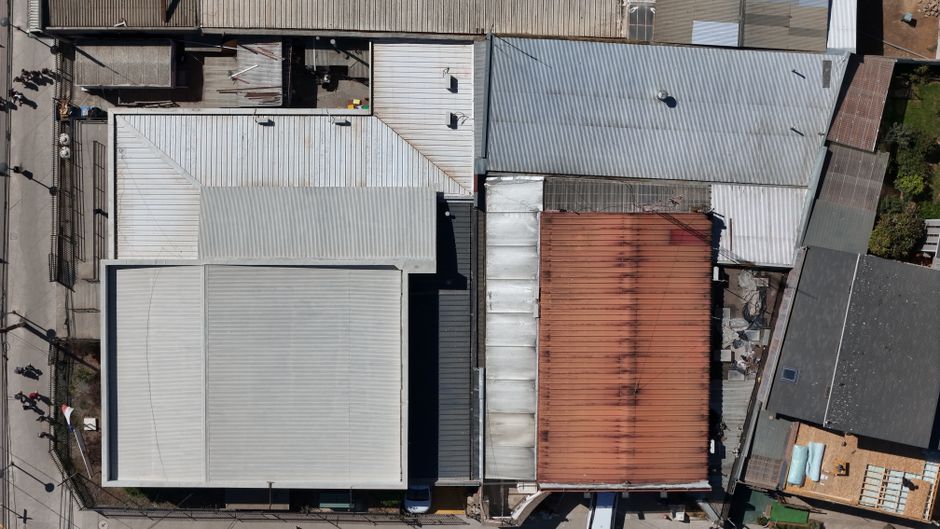
- Metal Roofs: Typically made from treated steel or aluminium, these roofs are durable. Mechanical damage and corrosion spot repairs can often extend life without full renewal. Composite Panels: Brands like the Kingspan composite panels offer lightweight, insulated panels with factory-applied finishes. They require specialist repairs but are not immune to localized damage. Seams and Fastenings: For both types, seam integrity and fastener condition are critical failure points. Replacement can be expensive, but strategic replacement of damaged panels or resealing seams might be enough.
Companies such as Nationwide Industrial Roofing and Hathaway Roofing specialise in metal roofing repairs and replacements, but they emphasise that detailed roof condition audits are essential first steps.
Flat Roof Waterproofing Systems: Repair vs Replace
Flat industrial roofs often use waterproofing systems, either single-ply membranes or manufacturer-backed built-up metal systems like those offered by CA Group. Here are key considerations:
Aspect Repair Replacement Scope Patch leaks, reseal joints, repair blisters and splits Remove existing layers, install new waterproofing membrane or built-up metal system Cost Lower initial cost, often less disruption Higher upfront cost, potential longer lifespan Warranty May be limited or none, depending on extent of works Full manufacturer-backed warranty with systems like CA Group’s Risk Risk of recurring leaks if repairs miss underlying issues Lower risk due to new installation and thorough system guarantee Operational Disruption Usually minimal, possibly phased Potentially significant due to demolition and installation worksWhile manufacturer-backed systems have robust guarantees, a poorly assessed roof might see unnecessary full replacement pushed instead of targeted repairs that could solve issues quickly and affordably.
What Facilities Managers Should Watch For
In my experience, these tips help avoid being talked into premature replacement:
- Get a detailed industrial roof survey. Third-party, independent assessments are worth the cost to weigh options fairly. Demand transparent pricing. Without figures for both repair and replacement, it’s impossible to make informed choices. Don’t accept vague “best-in-class” or “future proof” claims without evidence. Request case studies with actual locations and quantities. Ask explicitly about repair longevity under real weather conditions. What happens when it rains on day two after a repair? Consider manufacturer-backed built-up metal systems wisely. Companies like CA Group offer strong warranties but replacing a roof just to tick a warranty box may not always be pragmatic.
Conclusion: Balance Is Key
Sometimes full roof replacement is justified, especially with ageing industrial roofs that have reached insulation or structural limits. However, the blanket advice to replace is sometimes driven by sales tactics and profit incentives rather than pure client interest. In my time reviewing projects with Nationwide Industrial Roofing, Hathaway Roofing, https://melissafreshmaid.com/kilmarnock-roofing-manufacturer-and-installer-ca-group-services-explained/ and CA Group, I’ve seen how well-executed repairs extend roof life, save money, and cause less business disruption.
Transparent pricing, thorough surveys, and understanding of systems like Kingspan composite panels and manufacturer-backed waterproofing solutions empower better decisions. Always ask the tough questions roofing contractors might dodge and challenge replacements without compelling evidence. That’s how facilities managers protect their roofs—and budgets.
