G’day! If you’ve found your way here, you’re likely staring at a blackout, prepping for a remote job site, or just trying to figure out how to keep the beers cold while the grid is down. I’ve spent the last 12 years lugging gear onto construction sites and setting up power for weekend festivals, and let me tell you: there’s a big difference between "having power" and "having the right power."
When you head into a rental shop, the counter hand usually asks, "What are you trying to run?" If you just say "a fridge and a few lights," you’re setting yourself up for a headache. Let’s break down the reality of home backup power and site-side electricity so you don’t end up in the dark.
The Golden Rule: Starting Watts vs. Running Watts
Before you hire anything, you need to understand the "surge." Almost everything with a motor—like your fridge, a power tool, or a water pump—requires a massive kick of energy to start up. This is the starting watt requirement. Once the motor is humming along, it drops down to its running watt requirement.
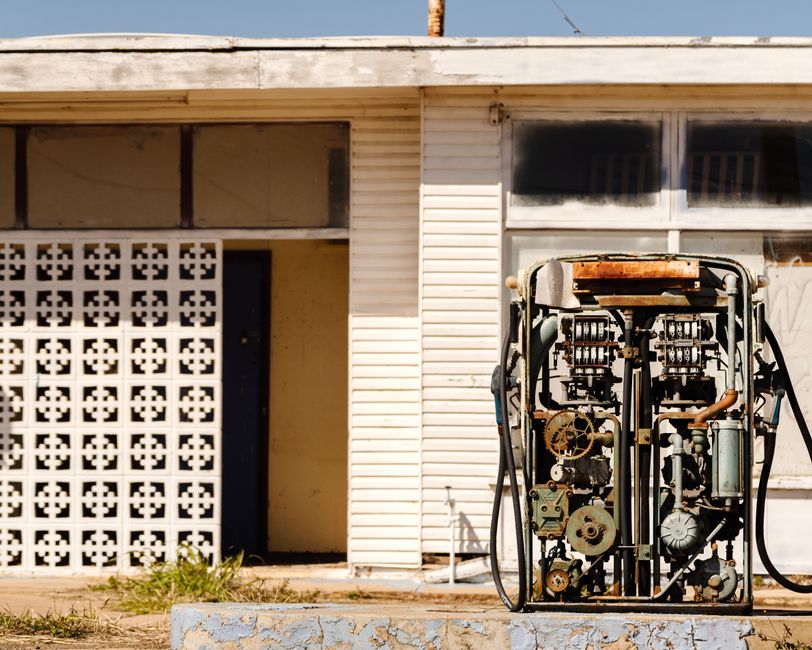
If you hire a 2000W generator and try to run a fridge that pulls 600W while running but needs 1800W to kick the compressor over, you’re cutting it dangerously close. Add in a few LED lights and maybe a laptop charger, and you’ll trip the breaker on the unit faster than you can say "bad luck."
Typical Wattage Table for Household & Site Appliances
Appliance Running Watts (Approx.) Starting Watts (Surge) Standard Fridge/Freezer 600W 1800W+ LED Work Lights 50W 50W Coffee Machine 1000W 1000W Laptop Charger 65W 65W Portable Heater/Fan 1500W 1500WPro-tip from the site: Always aim for a generator that provides at least 20-30% more capacity than your total running wattage combined. It keeps the engine from running at redline all day, which saves fuel and keeps the unit from dying an early death.
Choosing the Right Generator for the Job
Not all shedblog.com.au generators are built the same. In my experience at hire shops like Wenbro Hire, customers often grab the first machine they see. Don't do that. You generally have two main choices:
- Inverter Generators: These are the quiet achievers. They adjust engine speed based on the load, making them fuel-efficient and whisper-quiet. If you are running sensitive electronics (laptops, TVs, modern fridge controllers), this is your best bet. Open-Frame/Contractor Generators: These are the workhorses. They are louder, heavier, and built for construction sites. They are great for circular saws and heavy-duty gear, but they might annoy the neighbors if you’re using them for a home backup in a quiet suburb.
The "Generator for Refrigeration" Factor
Using a generator for refrigeration requires a bit of finesse. Refrigerators aren't constant power users; they cycle on and off. If your generator is too small, that cycle-on moment can stall the generator or trip the thermal protection. Furthermore, modern fridges have delicate electronic boards. Always ensure you are using a clean power source (an inverter generator is highly recommended) to avoid frying the fridge’s control panel. If you're unsure about the technical specs of your appliances, check the compliance plate—it’s usually stuck to the back or the side of the unit.
Noise, Fuel, and Local Considerations
Before you park a generator on your front lawn, think about the local regs. Noise pollution is a real issue. Most local councils have strict bylaws regarding noise levels in residential areas, especially at night. If you’re hiring, ask the desk for a unit with a low decibel rating.
Regarding fuel: plan your run-time carefully. Most portable units hold between 4 and 15 liters. Never try to refuel a generator while it’s hot—that’s how fires start. Let it cool for at least 15 minutes. For expert guidance on energy management, the Australian Government Department of Climate Change, Energy, the Environment and Water provides great resources on managing energy efficiency and safety if you're looking at long-term power solutions.
Customer Support and Troubleshooting
When you're out on site or stuck at home, you don't want to be guessing. Many reputable hire firms now use live chat integrations—like those powered by Chatlio—to help you troubleshoot common issues like "the genny keeps surging" or "why won't this thing start." If you're renting, make sure you know who to call after hours. There’s nothing worse than being stuck without power at 9 PM on a Saturday.
Quick Checklist for Your Hire
Calculate your total wattage: Add up the "Running" watts of every appliance you intend to plug in at once. Check your startup load: Identify your largest motor (usually the fridge) and add its "Starting" watts to your total. Match the outlet type: Make sure the generator has the right plug configuration for your home or site extension leads. Get an extension lead: Use a heavy-duty, outdoor-rated, RCD-protected lead. Don't cheap out here. Ventilation: Never run a generator indoors, in a garage, or near an open window. Carbon monoxide is silent and lethal. Always keep it at least 5-6 meters away from the house.Conclusion
Hiring a generator is a practical solution for short-term power needs, but it requires a bit of homework. If you keep the "Starting Watt" rule in mind, pick the right type of generator for your appliances, and respect your local noise restrictions, you’ll be the hero of your household or your work crew. If you're still not sure, take a photo of the compliance plates on your fridge and other appliances and show them to the crew at the hire counter—they’ll be able to size you up in seconds.
Found this helpful? Spread the word!
Share on Facebook | Share on Twitter | Share on LinkedIn | Pin to Pinterest | Post to Tumblr | Share via Buffer
Leave a Comment
You must be logged in to post a comment.